Antimicrobials
Are they helping us or harming us?
What are antimicrobials?
Antimicrobials are chemicals added to products with the intention of killing or inhibiting the growth of microbes. Unfortunately, for most uses they provide no benefit to consumers and may cause health harm.
Common antimicrobials are linked to respiratory, reproductive, skin, neurological, cardiovascular, and immune harms and can contribute to the global antibiotic resistance crisis. Learn what you can do.
Where are antimicrobials used?
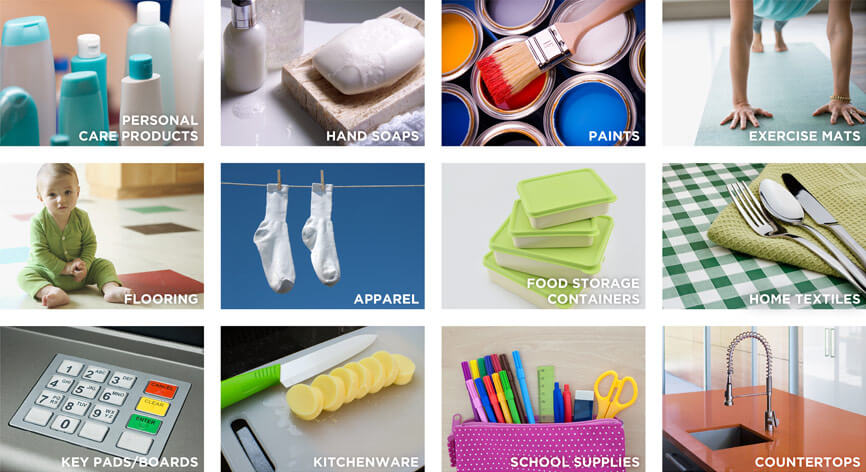
Learn more about products that may contain antimicrobials. Read our factsheet on antimicrobials in consumer products and building materials.
How are we exposed?
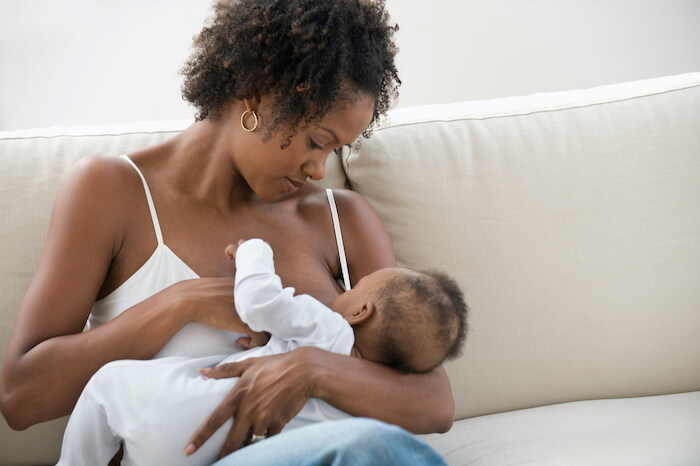
Antimicrobials can enter our bodies through skin absorption, inhalation of sprays or aerosolized disinfectants, and accidental ingestion of residues or dust on hands or food. Babies, who are especially vulnerable to toxics, may be exposed in-utero and later through nursing. The antimicrobial triclosan has been found in three-quarters of the U.S. population and in nearly all breast milk samples tested. Quaternary ammonium compounds, which have become common replacement antimicrobials for triclosan, have been detected in 97 percent of people and all breast milk samples tested.
What are the concerns?
Antimicrobials are often:
PERSISTENT: Do not break down in the environment. We continue to be exposed from food and products years after the chemical is banned or phased out.
BIOACCUMULATIVE: Build up in people and animals. When products containing antimicrobials are washed down the drain the chemicals can be released into aquatic environments. They build up in people and other animals at the top of the food chain and in marine food webs.

TOXIC: Harmful to humans and ecosystems. Some antimicrobials are endocrine disruptors which are associated with developmental and reproductive harms. Some of these compounds are also linked to respiratory, neurological, dermal, immune, and cardiovascular harms. They can also disrupt our skin and gut microbiomes, the importance of which is just becoming understood.
When should antimicrobials be used?
The perceived health benefit of these antimicrobials as used in most consumer products is not supported by data. For example, antibacterial hand soaps are no more effective in preventing illness than plain soaps.. The CDC, FDA, and WHO all recommend consumers use plain, non-antibacterial soap.
In fact, there is growing evidence that antimicrobials in consumer products may contribute to increased bacterial resistance to antibiotics.
Antimicrobials of concern
Triclosan, triclocarban, chloroxylenol, and other halogenated aromatic compounds contain one or more atoms of a halogen (chloride, fluoride, bromide, iodide) and a benzene ring.
- These types of chemicals were among the most widely used antimicrobials before many were phased out of use by the FDA in 2016. However, chloroxylenol is still used in some antibacterial soaps. Chloroxylenol has recently been detected in human breast milk, and animal studies link it to endocrine disruption, reproductive toxicity, cancer, neurotoxicity, cardiovascular toxicity, and skin harm. Emerging evidence also suggests it can contribute to antimicrobial resistance.
Metals.
- Silver, copper, and zinc (including as nanoparticles) are increasingly used as antimicrobial and anti-odor agents in products like clothing, towels, and toys. They are linked to skin harm and can be released from fabrics into the environment when washed, where they are toxic to aquatic life.
Quaternary ammonium salts (also known as quats or QACs) are salts of quaternary ammonium cations combined with a negatively charged anion.
- QACs like benzalkonium chloride and benzethonium chloride are commonly used in antibacterial hand soaps, disinfectant sprays and wipes, laundry sanitizers, and more. QACs have been associated with asthma, COPD (chronic obstructive pulmonary disease), dermatitis, and allergies in humans and reproductive, neurological, immune, and cardiovascular harm in laboratory studies. There is also increasing evidence that QACs, particularly benzalkonium chloride, contribute to antimicrobial resistance. They have never been proven to have a greater health benefit than safer alternatives.
What is being done?
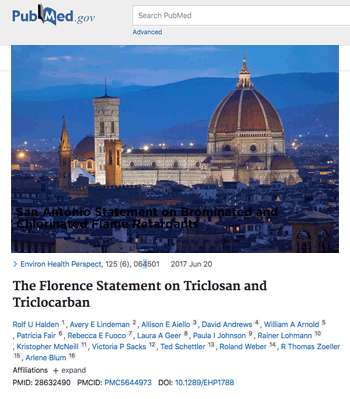
In 2016 the Green Science Policy Institute worked with partners to draft the Florence Statement, which documented current scientific research on triclosan and triclocarban. This consensus statement concluded that these antimicrobials do not provide health benefits but do cause health and environmental harm. The statement also called for greater caution in using antimicrobial chemicals in everyday products. It was signed by more than 200 international scientists and medical professionals and published in the peer-reviewed journal Environmental Health Perspectives.
In September 2016, the FDA stopped the use of triclosan, triclocarban, and 17 other antimicrobials in hand soaps and body washes. However, at the request of manufacturers, the FDA deferred rulemaking for one year on benzalkonium chloride, benzethonium chloride, and chloroxylenol. The FDA has extended this deferral several more times and has still not reached a decision a decade later. To fill this regulatory vacuum, California Assemblymember Alex Lee introduced the Safer Soap Act in 2025 to ban the sale of hand soaps and bodywashes with these remaining chemicals in the state. The bill will be reintroduced to the California Assembly in 2027. Our Institute continues to collaborate with manufacturers and large purchasers to eliminate unnecessary antimicrobials in the products they make and buy.
Learn more about our work on antimicrobials here.
What can you do?
Avoid products that are advertised as “antimicrobial”, “antibacterial”, or “anti-odor”. Look for the antimicrobials listed above on ingredient labels in soaps, body washes, toothpaste, and cosmetics. Most alcohol-based hand sanitizers do not contain antimicrobials of concern and should be safer.
You can learn more about safer products on our Consumer Resources page. Discover how to limit toxic chemicals in your life on our Exposure page.
Videos
Antimicrobials: Four-minute introduction
The Florence Statement: Animated video on antimicrobials
Ann Cooper Doherty: Concerns about quats
Ted Schettler: Antimicrobials in the time of coronavirus
Learn More
- Viewpoint on antimicrobials in consumer products & AMR
- QACs Review: A Chemical Class of Emerging Concern
- Fact sheet: Overuse of antimicrobials in gyms
- Antimicrobials in consumer products & building materials
- Biomonitoring California scientific review of quats
- Antimicrobials in hospital furnishings: Do they help combat COVID-19?
- Understanding antimicrobial ingredients in building materials
- Design for the Environment (DfE) certified safer disinfectants
- Safer disinfectant ingredients identified by TURI
- The Florence Statement