February 2026: Pollinators, Plastics, & Policy
In this edition:
- Antibacterial Hand Soap Has No Benefit, Only Risks
- Reducing Harm From Flea and Tick Treatments
- New Flame Retardants May Pose Heart Health Risks
- The Enormous Cost of PFAS for Our Society
- The Antimicrobial Science Roundup
- Green Science Policy Institute in the News
- Calendar
I hope you are enjoying the winter season. So great we are having a deluge of much needed rain this week in California! Below, you can find helpful consumer information on pet flea and tick treatments as well as the healthiest hand soaps.

Last month the Green Science Policy Senior Fellows enjoyed a week long retreat at Fellow Susan Kegley’s lovely Bees N Blooms lavender farm and nursery in Santa Rosa, California. In addition to the largest lavender labyrinth in the state, this organic farm has a butterfly garden, bee hives, chickens, ducks, geese, and five chill kitties. Seven months into the inaugural year of the Senior Fellows program, we took a step back from our daily demands to share our progress and sharpen our big ideas together.
“The retreat gave me time to research which pesticides are most likely contributing to bee declines,” Susan Kegley said. “My preliminary review revealed troubling trends. While neonicotinoid use is being restricted by several U.S. states and across Europe, the EPA has been approving a newer class of replacement pesticides that are systemic, persistent, and highly toxic to bees and are already applied on millions of acres of crops nationwide. In the coming months, I’ll be taking a closer look at how these chemicals are used and what their impacts may mean for pollinators. Stay tuned.”
“The Senior Fellows retreat provided an opportunity to continue to develop a bold vision for a new comprehensive chemicals policy focused on sustainability” Joel Tickner said. “The input and collegiality of such an incredible group of leaders has been critical to my ability to reflect and iterate on big ideas.”
“My project is developing a standard protocol for plastics free of the most harmful chemical additives.” said Lauren Heine. “I shared my first draft for a plastic additives screening protocol and received suggestions for convening my steering committee and piloting the protocol.”
“NGOs and policy makers in California are interested in developing policies that will strengthen and build on California's leading laws to fight the impacts of harmful chemicals. I am evaluating national and global policy models that are most promising for potential adaptation to California,” said Meredith Williams. “My insightful colleagues identified strengths, opportunities, and potential pitfalls that I will consider in order to make the possible policies more effective in reducing exposures to toxics.”
The four other Senior Fellows have provided me with inspiration, ideas, and connections for our current excellent progress with Institute projects to reduce the unnecessary use of antimicrobials in consumer soaps, sprays, and wipes, as well as flame retardants in motor vehicles interiors and electronics enclosures.
Meanwhile, new research underscores why our Institute’s work to reduce the use of harmful antimicrobials and flame retardants matters.

Earlier this month, our colleagues at Emory University published a study finding that quaternary ammonium compounds (QACs)—antimicrobials widely used in disinfectant soaps, wipes, and sprays—are building up inside assisted living facilities. The researchers estimated that accidental ingestion of contaminated indoor dust was the primary route of exposure for residents, followed by skin contact with treated surfaces.
QACs have been linked to asthma, lung disease, and dermatitis in healthcare workers, as well as reproductive, developmental, immune, and neurological harms in animal studies. They also contribute to antibiotic resistance.
Routine disinfection is not necessary in assisted living facilities, just as it is unnecessary in homes, schools, and gyms. Plain soap and water or detergents are effective at removing microbes from surfaces through physical removal. When disinfection is warranted, such as when surfaces are contaminated by an infectious disease, there are effective alternatives like bleach.
Reducing unnecessary uses of antimicrobials is a top priority for our Institute in 2026. See below to learn why this includes antibacterial hand soaps.
Finally, I recommend two memorable documentaries on toxics. A recent PBS Frontline film tells the story of how the U.S. carpet industry confronted its PFAS problem and worked to phase it out. (I was happy to provide background about our PFAS work with the carpet industry to the film’s producers.) And coming to Netflix on March 16, The Plastic Detox, features leading scientists and personal stories of couples who bravely share their infertility journey and the steps they’ve taken to detox their homes and lives. You can watch the trailer here.
Best wishes,
Arlene and the Green Science Policy team
P.S. There may be an opening for one to two people on a snorkeling adventure boat trip to explore the rich undersea reefs of Alor, just south of Raja Ampat in July 1 to 11, 2026. Please get in touch ASAP if you might like to join us.
Antibacterial Hand Soap Has No Benefit, Only Risks
By Rebecca Fuoco
Do antibacterial hand soaps give you more protection from disease-causing germs than plain soap? The world’s leading public health authorities all agree the answer is a resounding “no”.
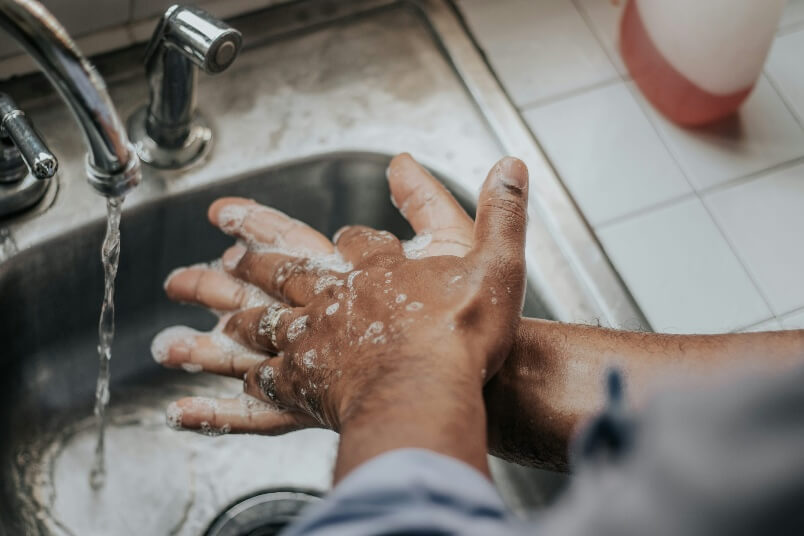
In 2024, the U.S. FDA conducted a communications campaign urging consumers to “skip the antibacterial soap” because there is “no data” demonstrating they provide additional protection and because “[u]sing these products might give people a false sense of security.” “What should consumers do? Wash your hands with plain soap and water.”
Current CDC handwashing guidance aligns with the FDA. The agency explicitly advises consumers to “[u]se plain soap and water to wash your hands” because “[t]o date, studies have shown that there is no added health benefit for consumers.” The agency also warns that “some studies have shown that using antibacterial soap may contribute to antibiotic resistance.”
In October 2025, WHO released its updated handwashing guidelines which stated its working group “unanimously agreed on plain soap as the recommended hand hygiene material” and that antibacterial soaps were “not recommended” due to concerns about health harms, environmental contamination, and antimicrobial resistance. The guidelines followed a 2025 systematic review commissioned by the organization that found no difference between plain soap and antibacterial soap in bacterial removal, which the authors state was “not surprising.”
On top of the lack of benefit, the active ingredients used in antibacterial hand soaps—benzalkonium chloride, benzethonium chloride, and chloroxylenol—are linked to health and environmental harms. Those include lung, skin, reproductive, neurological, and microbiome problems as well as antibiotic resistance.
Taken together, the science is clear: antibacterial hand soaps offer no added protection over plain soap and water—and also introduce unnecessary risks that public health authorities around the world are urging consumers to avoid.
Reducing Harm From Flea and Tick Treatments

By Anna Soehl
Selecting pet flea and tick treatments can be challenging, especially as we continue to learn more about their health and environmental hazards. On one hand, veterinarians and pet owners want to prevent ticks and flea infestations. On the other hand, our friends at the San Francisco Estuary Institute warn us that some ingredients--fipronil and imidacloprid--from topical flea treatments are toxic to aquatic invertebrates that are the base of the food web in the Bay.
Also, as birds can use pet fur to line their nests, they could be exposing their eggs and chicks to these neurotoxins. University of Sussex researchers linked this exposure to lower hatching success and higher chick mortality rates.
Some advice is to:
• If possible, use oral treatments (tablets). If topical treatments are necessary, bathe your pet prior to the application rather than afterwards and keep recenly treated pets away from natural waters.
• Consider seasonal instead of year-round treatment because fleas and ticks are most active in warmer weather.
Oral flea and tick treatment options to discuss with your veterinarian:
• Credelio (lotilaner)—for both cats and dogs
• NexGard (afoxolaner)—only for dogs
• Simparica Trio (sarolaner, moxidectin, and pyrantel)—only for dogs.
See more tips for pet owners and veterinarians from Bay Area water agencies. For example, to help prevent flea problems, vacuum and clean your home and wash pet and human bedding regularly. To avoid ticks, stay to the center of hiking trails, especially in the spring.
We will continue to share updates on new research in future newsletters.
New Flame Retardants May Pose Heart Health Risks
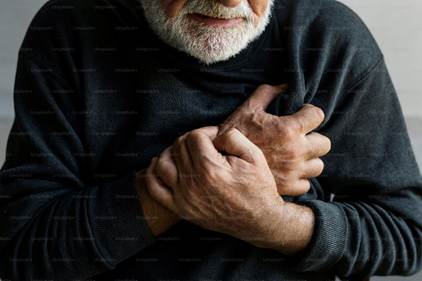
Evidence is mounting that a class of flame retardant chemicals widely used in electronics, motor vehicles, buildings, and more may have troubling health impacts. A new review in Environmental Science & Technology summarized a decade of research suggesting that organophosphate flame retardants may pose risks to human cardiovascular health, including potential links to heart disease.
Organophosphate flame retardants are used as alternatives to phased-out halogenated chemicals—banned due to cancer, neurological, reproductive harm and hormone-disruption concerns. Marketed as “safer” replacements, the use of organophosphates continues to increase rapidly.
The researchers examined 108 studies conducted from 2015 to 2025 and found that organophosphate flame retardants are now ubiquitous in indoor environments. They have been detected in household dust, indoor air, drinking water, and even in human urine and blood samples, indicating that exposure is widespread. People can be exposed through activities such as breathing indoor air, ingesting dust, or touching treated products.
Evidence that these chemicals may harm cardiovascular health is especially concerning, the authors note. Laboratory and population studies reviewed in the paper suggest connections between organophosphate flame-retardant exposure and inflammation, oxidative stress, and disruptions to lipid metabolism—factors that are known to contribute to heart disease.
While the researchers state that more long-term studies are needed, they argue that the current evidence is strong enough to warrant caution. Children, pregnant people, and workers in industries with heavy chemical use may be especially vulnerable due to higher exposure levels.
The findings add to a growing debate over the safety of “replacement” flame retardant chemicals and highlight the need for product transparency and better flammability standards that do not lead to the use of harmful flame retardants.
The Enormous Cost of PFAS for Our Society
By Gretta Goldenman
The enormous health and ecological costs to society from PFAS exposure can no longer be disputed. A new study for the European Commission confirms how massive these costs are now and will be in the future, if no action is taken.
Depending on the scenario, this study estimates that the costs for Europe could total between €330 billion to €1.7 trillion (about 400 billion to two trillion US dollars) by 2050.

These numbers are based on different exposure scenarios. For example, if the use and production of PFAS continues without restriction (the business-as-usual scenario), emissions of PFAS into Europe’s environment could triple between 2020 and 2050. The number of contaminated sites would increase from 11,500 to 14,200, and the number of people exposed at an elevated level would increase from 14% to 17%.
This works out to around 76.5 million Europeans exposed to high levels of PFAS contamination and at risk of developing health problems due to this exposure.
Other scenarios consider the cost of removing PFAS from drinking water to comply with EU standards and the even higher cost of treating wastewater to ensure that surface water and groundwater meet EU quality standards. A total stop to the production and uses of PFAS would be the least costly scenario: human health costs would fall sharply and remediation costs would be relatively small.
I was personally relieved that the new study’s estimates of the health-related costs linked to PFAS exposure are similar in scale to a 2019 economic analysis which I helped lead. In this study for the Nordic Council of Ministers, the estimated costs of health impacts were between €52 to €85 billion a year or 60 to 97 US dollars annually.
These analyses confirm the importance of stopping the use of the entire class of PFAS—including fluoropolymers and very small molecules—as quickly as possible.
The Antimicrobial Science Roundup
By Rebecca Fuoco
More and more studies are being published on the harms—and often, lack of benefit—of antimicrobials but are flying under the radar. In these newsletters we will be sharing notable new peer-reviewed research related to quaternary ammonium compounds (QACs) and other antimicrobials used in consumer products.
In the past month, there have been studies published finding lack of efficacy, environmental contamination, and human exposure, as well as links to neurological harm, endocrine disruption, dermatitis, and antimicrobial resistance. Check them out here.
Green Science Policy Institute in the News
By Rebecca Fuoco

Below are recent news articles, blogs, podcasts, newsletters, and more that have featured our Institute’s work and expertise.
● “It’s a bit like whack-a-mole,” Arlene told Mongabay in an article about PFAS. “Studying the tens of thousands of chemicals on the market today one at a time is just not feasible, but evaluating six classes or groups of chemicals of concern is much more manageable.”
● Manufacturers no longer infuse couches with certain flame retardants, a public health win that is “partly the result of activism by safer chemistry pioneer Arlene Blum,” notes Trellis.
● Our expertise on flame retardants was cited in a Babylist article about flame retardants in children’s car seats.
● Technology Networks recommends our PFAS Central website for understanding PFAS and their impacts on health.
Calendar
Wednesday, April 22, 2026, Berkeley, California
Arlene Blum will speak about her pioneering mountain expeditions in Nepal during Annapurna: A Generational Legacy, a day-long celebration of Nepal's spectacular Manang Valley at Berkeley's International House when “the Himalayas come to Berkeley on Earth Day.”
Contact [email protected] for information about in-person participation or access to the streamed event.
Receive Updates By Email
Subscribe to our monthly newsletter and get these updates delivered right to your inbox!