May 2026: A Rare Bipartisan Bright Spot
In this edition:
- Steps to Reduce Flame Retardant Exposure in Your Car
- Useful Tools for Healthier & Safer Products
- From Store Shelves to Policy: Clearya Survey in Action
- The Antimicrobial Science Roundup
- Green Science Policy Institute in the News
- Calendar
I hope you are enjoying the warmer and longer days of May. I’m looking forward to the Berkeley Himalayan Fair this weekend.
We’re happy to share encouraging news this month: rare bipartisan momentum on reducing harmful flame retardants in cars, progress toward safer camping tents in New York, and proposed reforms to outdated UK furniture flammability standards.
In a political climate where agreement across party lines is rare, Republicans and Democrats have come together on first steps toward preventing cancer-causing flame retardants in cars.
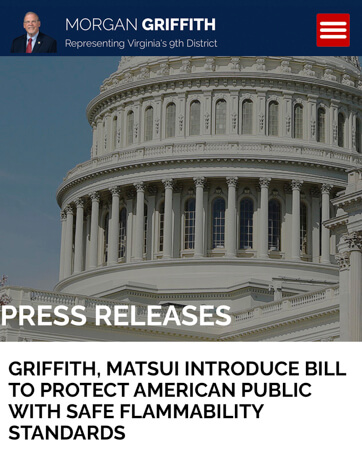
Last month on Earth Day, U.S. Representatives Griffith (R-VA) and Matsui (D-CA) introduced the Motor Vehicle Flammability Standards Study Act of 2026, a bipartisan bill that would direct the National Highway Traffic Safety Administration to evaluate the fire safety benefits and the harms of its 54-year-old vehicle flammability standard and develop an improved standard. The bill follows our peer-reviewed study with Duke University finding cancer-causing flame retardants in 101 cars from 22 brands tested.
These chemicals can pose a health risk to drivers, passengers, and especially to children. Our influential policy partners are the International Association of Fire Fighters and Consumer Reports. After a decade of effort, we are delighted to see progress at last.
Good news on the state level is that the No Toxics Tent Act, is moving through the New York legislature. The bill would exempt camping and children's play tents from the state's outdated de facto requirement that tent fabric contain flame retardants. We provided scientific support for similar successful legislation in California in 2023. New York is the last state in the country with such a requirement for flame retardants in tents. If it passes, campers, climbers, and especially children will no longer need to be exposed to unnecessary chemical harm from their tents.
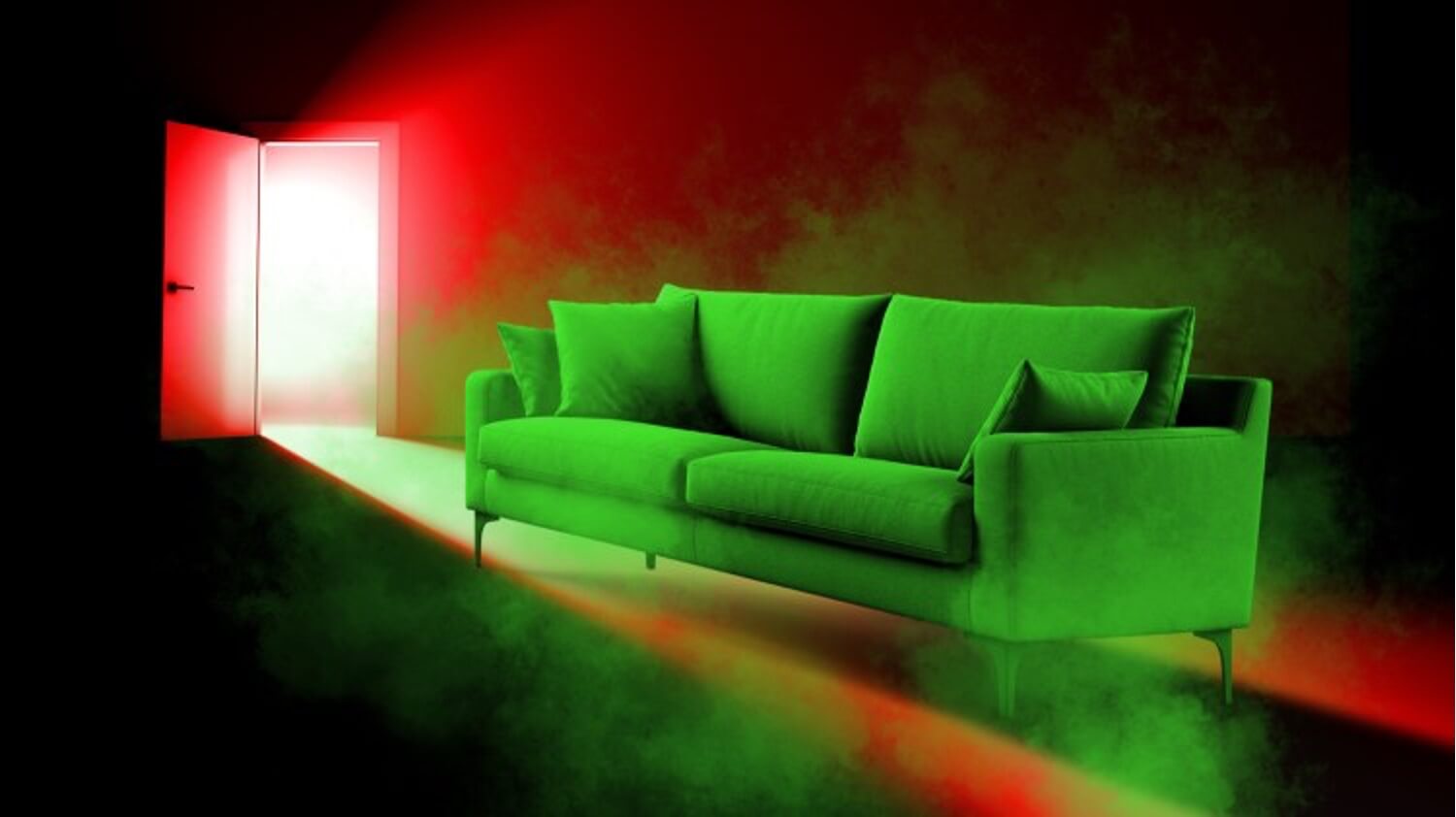
The UK—the only large country in the world still requiring flame retardants in furniture—has proposed a new standard that maintains fire safety without these chemicals, similar to California’s updated standard. You can learn more about this change and our Institute’s contributions in this in depth article from the UK Sunday Times and the documentary, "Toxic: How our Furniture is Killing Us"
Public comments on the proposed UK standard are open until June 23, 2026. You can express your support here.
A very different newly available video documentary tells the story of the first all-woman and first American ascent of Annapurna I, said to be the most difficult and dangerous of the world's highest mountains. I led the expedition and filmmakers Dyanna Taylor and Marie Ashton accompanied us. You can watch the 42-minute video, Annapurna: A Woman’s Place for free on the Green Science Policy Institute YouTube channel.
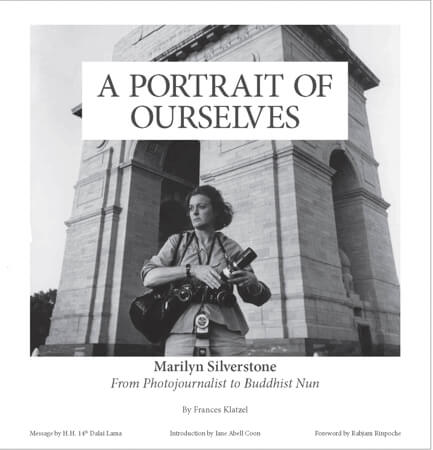
And for another dramatic story, read “A Portrait of Ourselves: Marilyn Silverstone: From Photojournalist to Buddhist Nun” In 1959, Marilyn moved to India where she photographed major events including the young Dalai Lama’s arrival in India from Tibet, Jacqueline Kennedy boating on the Ganges, and the marriage of Hope Cook and the Prince of Sikkim.
In 1977 Marilyn took vows to become a Buddhist nun in Nepal. You can purchase this book, learn the story of Marilyn’s remarkable life, and view her extraordinary photos by contacting the publisher in Nepal at [email protected].
“A Portrait of Ourselves” will also be available this weekend at the 43rd Annual Berkeley Himalayan Fair, at Live Oak Park, 1300 Shattuck Avenue in North Berkeley.
This joyous free festival celebrates the food, music, dance, and crafts of the Himalayan regions.
You are invited to join me at the Green Science Policy booth, located under the big tree across from the stage, and contact me if you would like to volunteer to help out at my booth or at the Fair.
I founded the Himalayan Fair in 1983 after returning from a year of enjoying Himalayan festivals while walking across the Himalayan regions of Bhutan, Sikkim, Nepal and India as recounted in my memoir Breaking Trail. Fair hours are 10 am to 7 pm on May 16 and 10 am to 5 pm on May 17. It is one of my favorite events of the year and I hope to see you there.
Kind regards,
Arlene and the Green Science Policy team
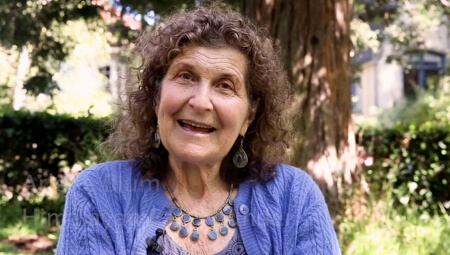
P.S. You might enjoy this two-minute-long video where I recount the story of the Fair.
Steps to Reduce Flame Retardant Exposure in Your Car

By Rebecca Fuoco
The introduction of the Motor Vehicle Flammability Standards Study Act of 2026 is encouraging news, and the bipartisan support it has received gives us reason for optimism. But passing legislation and updating a standard can take years. Meanwhile, our cars all contain these chemicals. The good news is that effective ways to reduce your exposure are simple and free.
Flame retardants off-gas from seat foam and other interior materials into the air inside your car, especially on hot days. Opening your windows at the start of every drive and avoiding the recirculated air mode can reduce exposure. They also accumulate in car dust, which can be ingested or inhaled. Washing your hands after being in the car, especially before eating, reduces this exposure. Regular vacuuming of your car's interior can also help.
Children are particularly vulnerable to flame retardant exposure, and car seats are a source. If you are shopping for a child car seat, look for one that is both flame retardant-free and PFAS-free. The Ecology Center's car seat report is a helpful guide.
Finally, you can add your voice to the growing call for change by signing Consumer Reports' petition urging NHTSA to update this outdated standard. More tips are on our flame retardants in vehicles page.
Useful Tools for Healthier & Safer Products
By Lauren Heine, Green Science Policy Senior Fellow
The Six Classes approach can help architects, designers, and others who specify products avoid chemicals of concern.

To prevent the regrettable substitution from a harmful chemical to a chemical cousin with similar harm, this approach suggests avoiding the entire classes of harmful chemicals (per- and polyfluoroalkyl substances, antimicrobials, flame retardants, bisphenols and phthalates, some solvents, and certain metals).
When evaluating a chemical of concern, ask whether it is necessary and worth the potential for harm. For example, given the considerable evidence that over-the-counter antibacterial soaps provide no health benefit over plain soap and water, there is no need to look for safer antibacterial ingredients for this product category. However, in some cases a particular function is necessary. For example, solvents provide an essential function for many products and processes. But solvents vary greatly by performance, toxicity and volatility. There are several tools that offer a systematic approach for identifying safer alternatives. To learn more about a few useful tools, please see my blog here.
From Store Shelves to Policy: Clearya Survey in Action
By Amit Rosner
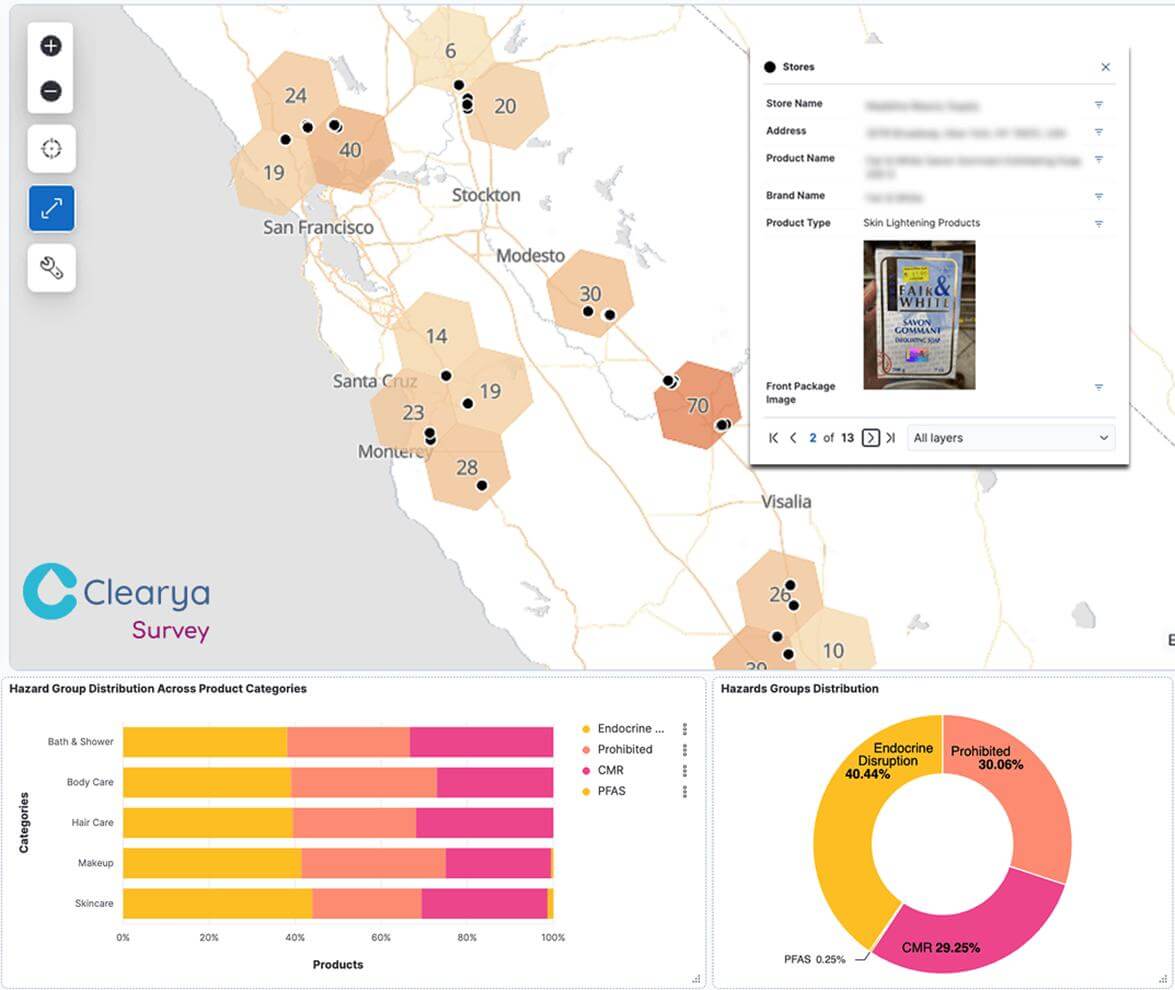
Clearya is best known as a consumer app that alerts shoppers about toxic ingredients and helps them find safer products. Notably, its impact extends well beyond individual shopping decisions.
Clearya Survey enables public health researchers, regulators, and organizations to collect and analyze large-scale data on chemicals in products. It's shedding light on questions such as: Which chemicals are actually on store shelves? Who is the most exposed?
A few examples of this work in action:
- The California Department of Public Health used Clearya Survey for a statewide screening of 3,000 products to examine if prohibited chemicals, including PFAS, are still present on store shelves.
- Líderes Campesinas conducted on-site data collection in Spanish across 19 locations in California, identifying potential contaminants in products marketed to the Latino community, work that can contribute to research on safer consumer products.
- WE ACT for Environmental Justice equipped Harlem residents to document toxic disparities in personal care products marketed to communities of color.
- Clearya Survey is also used in investigating environmental factors related to cancer and reproductive health.
This community-led, data-driven approach aligns with the Green Science Policy Institute's Six Classes framework: moving beyond individual chemicals to address whole classes of concern.
If your organization screens products for research, advocacy, compliance, or operations, we'd love to talk about how Clearya Survey could support your work.
The Antimicrobial Science Roundup

By Rebecca Fuoco
More and more studies are being published on the harms—and often, lack of benefit— of antimicrobials but are flying under the radar. In these newsletters we will be sharing notable new peer-reviewed research related to quaternary ammonium compounds (QACs) and other antimicrobials used in consumer products.
In the past month, there have been studies published finding links to antimicrobial resistance, reproductive harm, and food contamination. Check them out here.
Green Science Policy Institute in the News

By Rebecca Fuoco
Below are recent news articles, blogs, podcasts, newsletters, and more that have featured our Institute’s work and expertise.
- Arlene was interviewed by CBS News about a lawsuit alleging a popular clothing brand is using PFAS.
- Arlene was interviewed by the Green Street radio show about our work on flame retardants from baby products to couches to cars.The program will be broadcast on WBAI in New York City this Friday May 15 at 2pm and on KPFA in Berkeley on Monday May 18 at 2pm.
- Our Viewpoint about how antimicrobial chemicals in consumer products contribute to antimicrobial resistance has been featured in Toronto Star, Fox News, mindbodygreen, The Microbiologist, Earth.com, Study Finds, News Medical, and Open Access Government.
- The UK Sunday Times highlighted how Arlene and the Institute were instrumental in changing U.S. furniture flammability standards and influencing ongoing reforms abroad.
Calendar
May 16 & 17 2026, Berkeley, California
Annual Berkeley Himalayan Fair
Live Oak Park, 1300 Shattuck Avenue at Berryman, North Berkeley
Enjoy the food, music, dance, crafts and arts during this free Himalayan Festival. Contact Arlene—who started the Fair 43 years ago after enjoying festivals while walking across the Himalayas for ten months—if you would like to volunteer to help at the Fair or at her booth under the big tree across from the stage. More information here.
Receive Updates By Email
Subscribe to our monthly newsletter and get these updates delivered right to your inbox!